Everchange
A project facing years of challenges before Dev Pods released only 5 months after adapting to use our collaborative process.
Project facts
- Engine
 Unity
Unity - Team Size17 devs
- Dev Timeline5 months
- Launch DateFeb 15, 2026
Iain Hurt is professionally a UI artist, UX designer, and also has college training in 3D environment modeling.
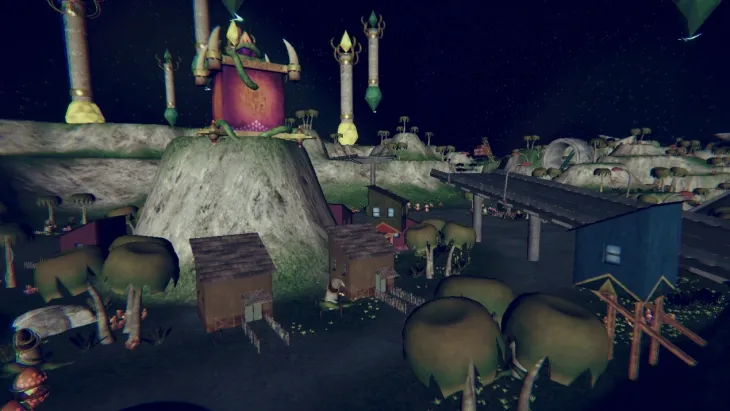
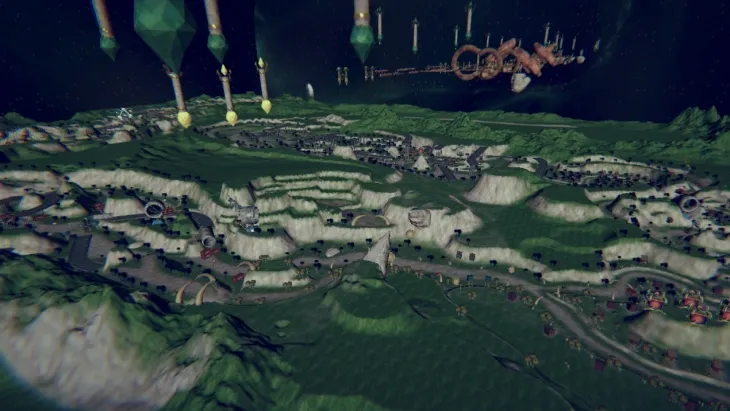
Outside of his day job, for years Iain had his own idea for a game world featuring imaginative characters and an original backstory, bringing life to surreal landscapes he modeled. He knew his vision was too grand to achieve alone in the time he could realistically fit in.
Until someone has tried to do it, people often imagine they’ll have no trouble finding some decent teammates online. Time drags out not because of the time it takes to code or do art, but instead from the human side. Some strangers are well-meaning but flake out, others become rude, months drag into years of trying to find decent people, frequently starting over due to incomplete handoffs or not wanting to work with a mess the last person left.
As Iain explained, “I started Everchange, conceptualized the idea, in 2022. It has taken me this long to build because of terrible team composition, terrible teamwork, and groups not taking it seriously. Teamwork is where it’s at.” He continued, “My whole thing has been trying to reach a team status with stability, people who actually put in effort and care about the game they’re working on. I hadn’t gotten any of that prior to Dev Pods… I was in various Discord groups, I started my own groups. Everyone’s trying to build a portfolio, but the difference between those groups and Dev Pods is that they will actually be involved with you in the game process.”
Though he was discouraged by past attempts to team up with people online, he was not going to give up on this game.
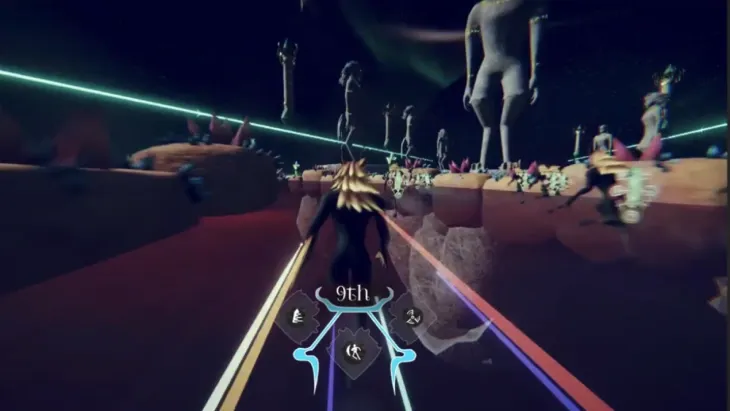
When he found Dev Pods he immediately knew with our experienced developers and flexible process for collaboration, he finally found the peers and techniques he needed. Iain’s adapted Everchange to build with Dev Pods on September 14, 2025 - less than 2 weeks after he joined the community! - with a planned release date 5 months later. His dream game shipped on time, and it turned out awesome.
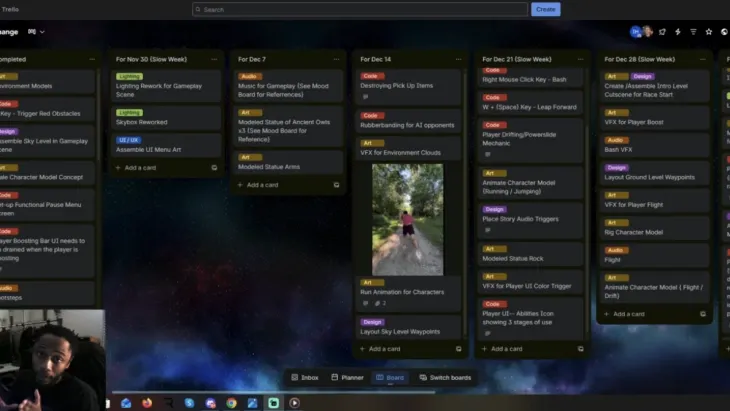
Iain went through our included training for team leads and it clicked. In his words, “This is the real process of game creation, down to production, organization on Trello, creation with github pushes, building a real experience.”
Adapting a project to finish in Dev Pods that he started outside the group involved a few simple steps. Since we don’t use outside assets (model packs, art found online, work done by paid contractors) in Dev Pods, anything like that from past iterations first needs to be stripped out. Each part he removed he simply turned into another task on the schedule that members could do to get involved.
As with any member, Iain was welcome to keep and use any of his own work to build on, including his environment models, UI art, and voiceover he’d already written and recorded to get the lore across. In addition to outside assets, Dev Pods also doesn’t allow generative AI art/audio or vibe coding, however thankfully neither applied to his prototype.
Another consideration that comes up when deciding to take an outside project into Dev Pods is if it’s ok for the game to be free. Dev Pods games only release as freeware, with no price or monetization. All teammates keep rights to their own work (musicians own their music, artists own their art, etc). This greatly reduces friction of legal complexity or pressure on teammates, enables a community where beginners and experienced developers are on the same teams together, works better for portfolios or learning opportunities, and avoids exploitation of anyone misusing Dev Pods to replace paid contractor gigs. However this does mean commercial projects can’t be made in our community.
All games in Dev Pods have 3 parts for kickoff: an in-engine prototype (his Unity demo minus old external assets), a presentation video based on our slides template (we’ve used the same simple slides format for hundreds of released games, this can be set up in 1 day), and a dynamic schedule in the style covered by our video training (he made his in 1 hour with a little help on a video call).
Game leads in Dev Pods are hands-on in the projects, for most games, the lead does more code, art, or level design than anyone else on the team. Which is to say, it’s not as if other people are just building someone else’s game for them. We sometimes describe it like a skill potluck, where the talents and contributions a lead brings are matched in the energy of others. As Iain put it, “In Dev Pods you can take your skill you do have and explore it, allowing yourself to expand more from that. And you have developers in this group who have the tools to help you develop what you want… I think that’s beautiful.”
In previous previous years developing Everchange Iain ran into trouble with teammates who ghosted. For any game made part-time at hobby scale that’s a common risk. In Dev Pods members do whatever they want, whenever they want, and while that sounds like a recipe for the same issue, we’ve solved it through a combination of continuous community (people move freely between multiple games) and year-round recruitment (we’re always bringing in and training new friends, so members can focus on the fun parts of making their games). Our simple weekly update format, a video leads make anywhere from 3-20 minutes long, spotlights gaps to help invite teammates to fill in so things stay on track.
Even though people move around freely there’s never any disruption, no search time for replacements, and no fear over a game not releasing. As Iain said, “I really appreciate Dev Pods allows people to come in and out, but it still feels like a collaboration. Everyone I’ve worked with in Dev Pods for these past 5 months have actually been caring about how the project is being put together, from character to code. Everyone is supportive. I’ve been in groups that haven’t been. I love the group for just being a collaborative space that actually cares about what you’re doing, no matter the genre and no matter the skill level.”
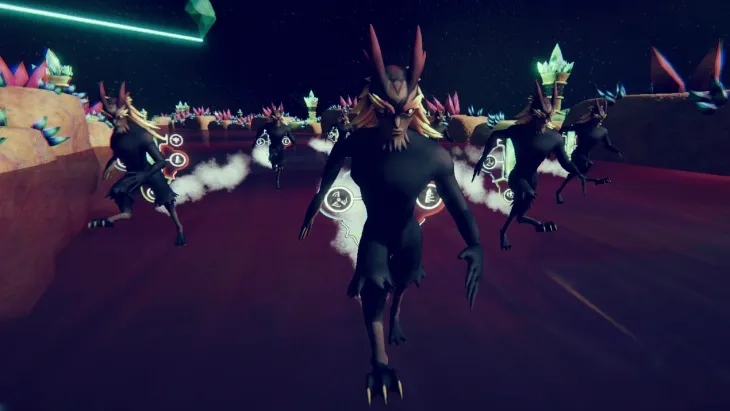
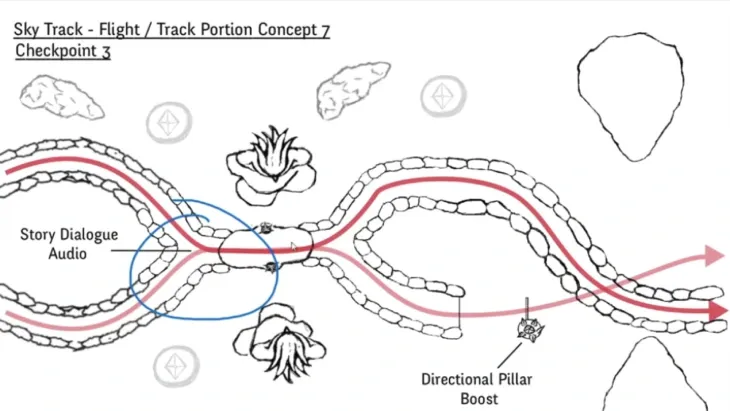
Liyi Zhang modeled, rigged, textured, and animated the player character, working closely with Iain to riff on an older concept. Fahad Muntaz added the checkpoint system, which was crucial to support such a large world. Ian Cherabier added action tooltips, ensuring players know how to enjoy the game’s unique movements. Alan Zaring’s music amplified the dreamlike tone of Iain’s environments, with Aaron Shermon’s menu music delivering a strong first impression. Adeel Bashir contributed a boost ability and the related meter, flight recharge system, and improved the scene lighting. Ten more people showed up in varying ways to lend a hand, building this dream together. Iain’s schedule in our standard format made sure every piece done fit together naturally to move the game towards its timely release.
We’ll close this write-up on Iain’s recommendation that more people should lead their dream games in Dev Pods: “I encourage others to start their own game project and allow others to join. You never know who has your idea, and they don’t know how to approach it, but if you start the idea then they want to jump in and expand it. Everyone is supportive! I love the group for being a collaborative space that cares about what you’re doing.”
Share this story
Want your name on the next credits roll?
Join Dev Pods to contribute to active game teams and build a portfolio of shipped work.