The Story of The Legend ofShadowtail
How the team chose frequent playable builds over perfect systems and shipped with less burnout.
Project facts
- Engine
 Godot
Godot - Team Size17 devs
- Dev Timeline3 months
- Launch DateFeb 8, 2026
Most hobby game projects don’t finish. We all know this.
A graveyard of half-built game jams and abandoned Unity folders is a rite of passage as an indie developer.
But it’s not because we’re bad devs. It’s because building alone is HARD. And when life gets hard, something has to give. And so when 17 people with full-time jobs and real lives shipped a complete dungeon crawler in three months, it kinda makes you pay attention.
1. How do you even make a game with 17 people anyway?
The idea started simple: stealth platformer, squirrel as the main character, not complicated, or ambitious. But it started with a release date attached to it. Mikey, the project lead, built a simple prototype based on a Godot tutorial, and prepared a tentative weekly schedule using the standard format taught by the training included with Dev Pods membership. He opened up the game to collaborators, and welcomed the community to run with it.
The community absolutely ran with it. Turned out, a squirrel game in a dungeon is a ton of fun to develop.
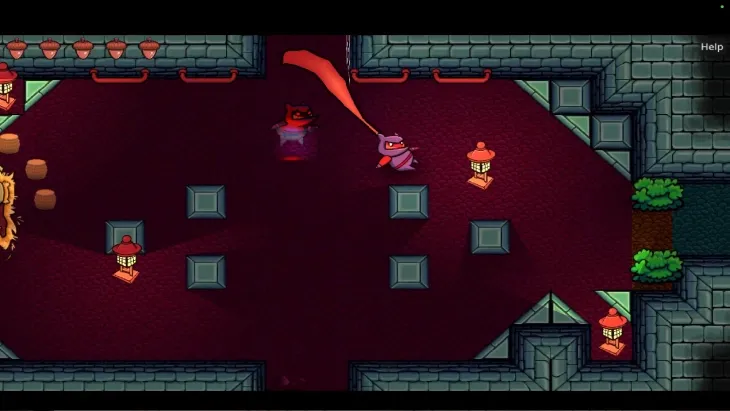
Early on, Noah wrote a post analyzing what actually makes dungeon games feel good. He suggested the underlying fantasy is being more skilled than your enemies, turning the dungeon itself into a weapon. These ideas helped lead to the trap system Mark got excited about implementing. Spikes, pressure plates, buttons and doors. From there Mark wandered into water shaders… because he felt like learning shaders. That’s how it works in Dev Pods - everyone does whatever interests them, matches their goals or moods, one week at a time.
The game and character still needed something to make it feel distinct, with a personality all its own to set it apart from games like Zelda, which clearly inspired it.
2. A tale of a tail
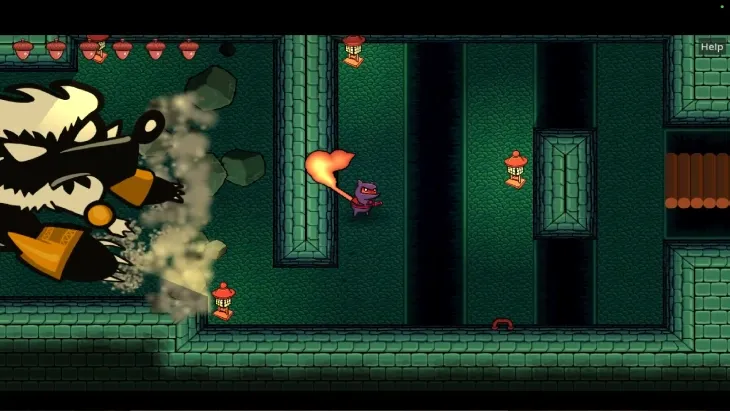
David had been sitting on a complex math function he’d been trying to find a use for on others projects for four years. Broadly, it’s a way to smoothly morph between shapes. When initial strategies for handling the squirrel tail felt too rigid or clunky, he realized it was a perfect use case to procedurally animate tail pose transitions. Teammates were a bit hesitant at first, concerned about the complexity or that it could lead to scope creep. David saw just how to do it and felt undeterred. As soon as the first versions began to work in-game people on the team became excited and fully supportive with this way of doing it. In addition to being attached to the main character, and used in several of the player’s main abilities (such as hookshot and camouflage), the tail even wound up being featured on the title screen, so the first things players see is its smooth wiggling.
3. Every dungeon has something to say
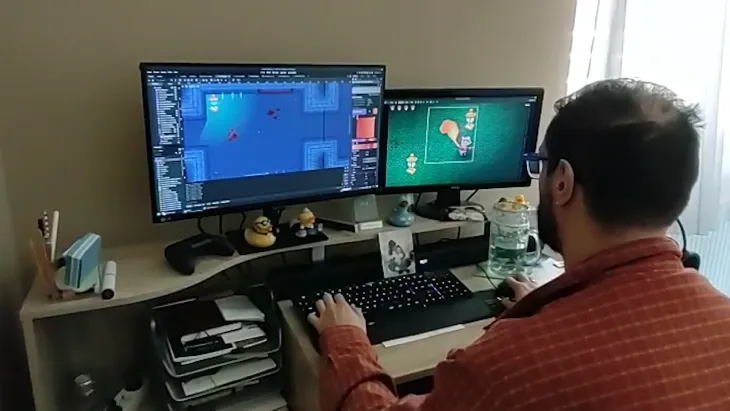
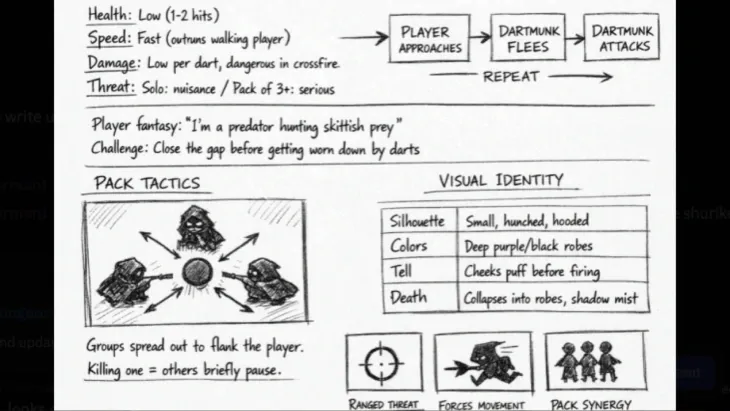
The lead, Mikey, prefers to keep the base plans simple, so he hadn’t scoped to include dialog or NPCs. But after Noah and Amanda started riffing on the game’s lore and backstory, Phil - who also created the Dartmonk (watch the video above for that story!) - saw an opportunity to create something awesome to share that fun with the player. What began as a straightforward dialogue box turned into an entire scripting language and a new Godot Extension, with support for branching, variables, conditions, and triggering interactions between the game and dialog. Making it easier to write dialog and author quests led to introducing more characters and missions.
None of that was in the original design for a squirrly little dungeon adventure. Teammates showed up to support one another, amplifying each other’s best work, improvising freely, and the flexibility of the Dev Pods approach translated that energy into space for people new to game development to get more hands-on experience, doing things they enjoy.
4. Music to my ears
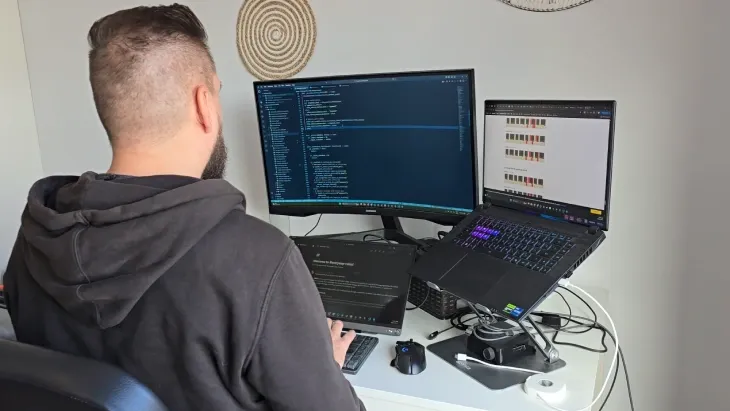
Music is important in any game, but a game with classic genre roots brings additional expectations for the experience to feel legendary. Good thing Aaron was part of the community. He worked with Mikey and others on the team to get a sense of the vision. He pulled inspiration from Miyazaki film scores he loves, leaning into taiko drums, and pizzicato strings for sneaky dungeon sections.
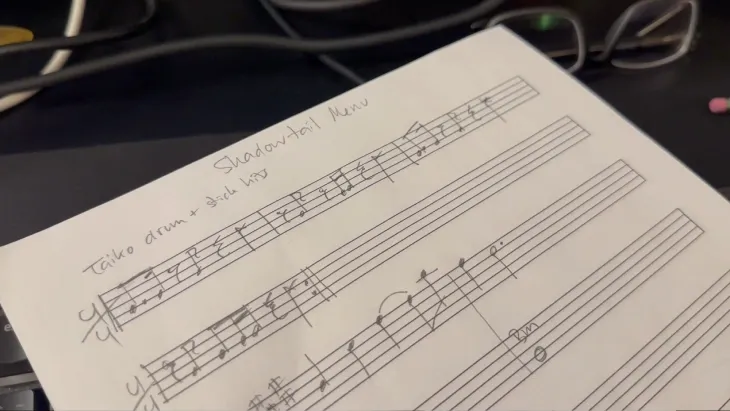
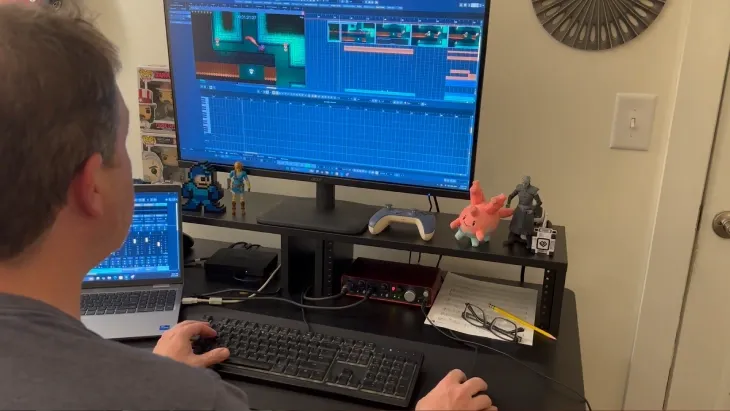
As the game’s main sprite artist, Jakob, developed the boss badger, Mark saw an opportunity to introduce the boss with an in-game cinematic intro. As soon as the first version of that sequence got shared in the channel, Aaron jumped on the opportunity to score boss music specially timed to that major event in the game.
(We’re proud to add that Aaron’s soundtrack turned out so great that it helped him land a paid gig doing music for a non-Dev Pods game soon after the game came out!)
5. Go for launch
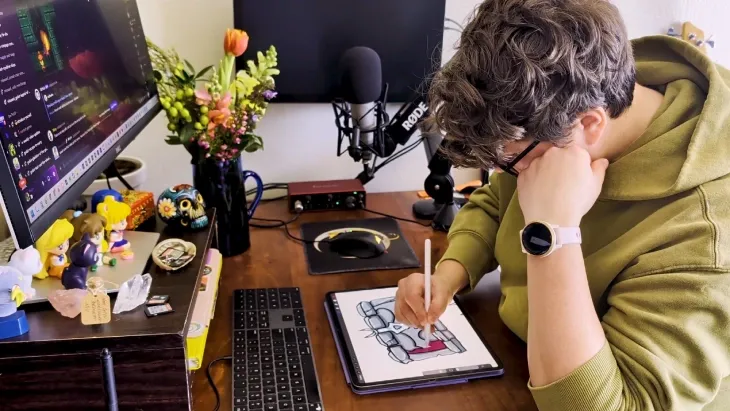
With release mere days away, the levels were functional but some rooms were a bit hard to tell apart. Mel joined Dev Pods just a few days before launch, and met some team members in a Discord hangout. They mentioned the game could still benefit from additional decorative art. Mel started drawing dungeon banners, floor clutter, gates, statues, all told about a dozen and a half eye-catching objects fitting the world. She says she almost feels like she cut the line by joining the game at the last minute, chipping in only a few days on a game that had 3 months of production. But her contributions properly belong in the game and its detailed credits, making the world feel more complete. A lot of people are hesitant to join a team when there is less than a couple of weeks left on the schedule, but the game turned out nicer because she wasn’t shy about lending a hand to help the team cross the finish line better.
Shadowtail shipped. On time. Not only did it ship with all its planned features, but with several major additions that weren’t part of the initial concept, until teammates showed up eager to bring in and run with their own ideas.
Detailed credits
Many hobby projects, and even many commercial projects, fizzle out and disappear. That doesn’t happen in Dev Pods - in over 230+ released games across ten years, every game released on time. No one’s work is wasted, and no one needs to fear the disappointing sting or discouragement of contributing to a game that never ships. Every game starts with announcing the target release date 2-6 months later. That date is a promise by the lead to every contributor that it’s going to release in the best shape it can on that date. That’s true even if someone comes in at the last minute, or if they briefly get involved then wander away, never to return. The game comes out with people’s work included, and names properly credited for their specific contributions.
In Dev Pods we take credits seriously. Everyone gets credited not just for being part of the game as a “programmer” or “artist” but down to the detail, we go back through the repo history to recognize each person for who created which features, which art, which sound, and so on. For Shadowtail, here’s how those credits ended up -
-
Project lead, core gameplay, hopping enemy, dungeon west wing level design, camera system, healthbar, putting out lights, player states, attack cooldowns, hitbox system and related tuning, knockback, audio manager, skill check gating, light flickering, various team asset integration, light tweening: Michael Fewkes
-
Traps (all types), tail hook shot, key/door/items, sneaking area, boss intro, final chase, decoration tiles, screenshake, checkpoint, alert effect, projectile deflection, death animations, room persistence, breakable walls and bridges, cloaking, idle tail motion, water with shader, credits screen, bonfire placement, additional level design polish, assorted fixes: Mark Guinn
-
Lore and related opening scroll, dungeon layout / level design (mainly east wing), entrance room with dialog, ghost NPCs, dialog authoring, quest item art / placement / merchant / related gating behavior, slime enemy sprite, quest givers show item picture, environment decoration placement, map color variants, boss arrival message: Noah Wizard
-
Dialog system including conditionals and game action support, dartmonk behaviors (including target leading, LOS, states) and related animation code, enemy movement smoothed, enemy navigation baking, mute toggle, feature flag support (internal use), invulnerability testing mode, internal feature examples: Philippe Vaillancourt
-
Music (dungeon, sneak, boss approach, boss chase, menu and credits music), sounds (star throw, squirrel steps, star hits, sword slash, sword hit, grab, rock trap, dart trap, trap dart firing, blow dart, bat enemy, menu click), cutscene music timing: Aaron Sherman
-
Player animations (idle, 4-way run and attack), sewer wall tileset, boss badger sprite, environment decoration art (lamp, bush, bonfire, trashcan, sewer grate, pipes), dartmonk animations, raccoon patrol behavior and art, bonfire dynamic flame effects, game logo, bat art, keys, acorn item and related UI, bush particles: Jakob Harris
-
Cutscene support with animation and text scroll including action commands, reset on death, cutscene map triggers, instructions screen, lore screen improvements, initial player death animation: Dan Dela Rosa
-
Ghost implementation (raccoon and dartmonk), ninja star, decorations (crate, barrell, rope, cracks), additional ninja squirrel sounds, tail segment sprites, player shadow, footprints effect, gamepad fixes toggle, bug fixes (bat health, player damage): Christer Kaitila
-
Initial lore (part of core story, tea pot, animal family clan names, basis for dartmunk backstory), voice sounds (hurt, item consumption, weak/med/strong effort): Amanda Stanley
-
Procedural player tail, initial player art draft, Ratrick the Plush decoration: Dávid Tóth
-
Wall banners with 3 variations, bed roll, 6 decorative clutter piles, broken ladder, green praying statue, fancy water bowl, 3 door types (fancy, pointy, wood), 3 door lock sprites: Mel Fitzgerald
-
Patrolling behavior and initial bat sprite: William Goddard
-
Dynamic light shadows, pause menu with key: Durondal
-
Sounds (switch trap, goblin smokey defeat, flame attack, flight, splash with variations): JohnasaurusArt
-
Reddish orange tail whip particles: Owen Peery
-
Enemies refactored to reuse common base code: David Bates
-
Play testing: Baguette
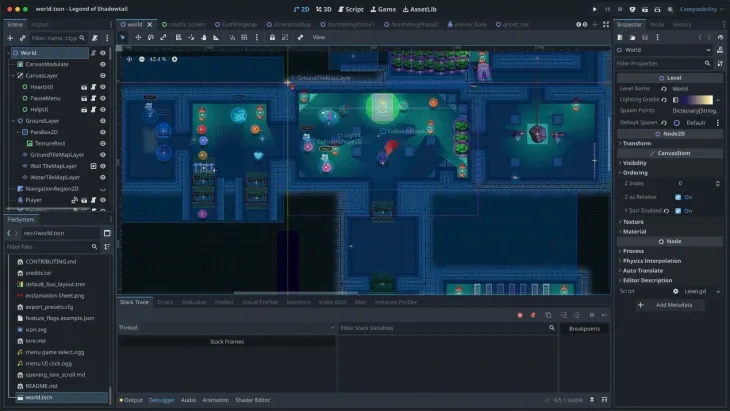
The Legend of Shadow Tail is free. Go play it!
As the team lead Mikey explained when interviewed for the informal documentary above, the game that shipped wasn’t “his game” in the sense of what he would have made alone. In so many ways it’s better. The 17 people who showed up to help make the game real didn’t make “his” game. They were making the game they all wanted to make together. People brought themselves to their roles - their interests, their strengths, and whatever served their goals. People took ownership of their own corners of the game, which improved not just how the game turned out, but also the quality of the experience for everyone involved in building it.
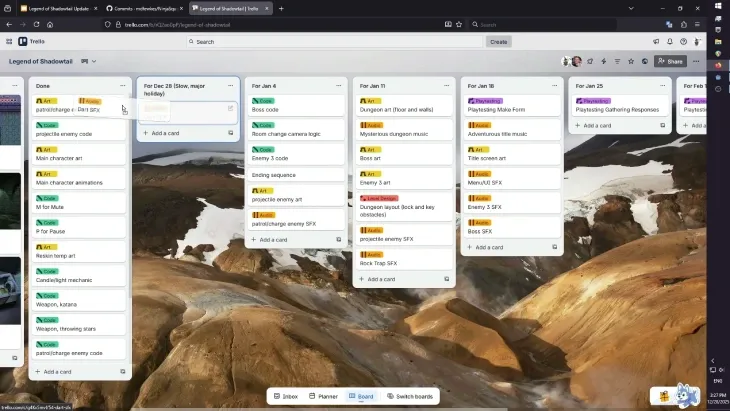
Great things can happen when people get past the idea of doing everything alone.
Come make games with us in Dev Pods!
Share this story
Want your name on the next credits roll?
Join Dev Pods to contribute to active game teams and build a portfolio of shipped work.